Worried about overspending on gear? A 360 camera for real estate should handle bright windows, stitch tight rooms cleanly and get a tour live fast. Judge those three things before price.
If you are still comparing camera types, the wider overview of panoramic cameras explains how the main designs differ.
| Item | Value |
|---|---|
| Matterport Pro3 starting price | $3,995 |
| Pro3 time per LiDAR sweep | Less than 20 seconds |
| Ricoh Theta Z1 starting price | $1,000 |
| Manual work per listing that can cancel out a cheap camera’s saving | 30 minutes |
| Effect of virtual tours on closing prices (University of Iowa study) | 2-3% |
These figures come from Matterport’s May 2026 buyer’s guide and from a Matterport post that cites the Iowa study. Prices and findings can change, so check the sources before you rely on them.
What a property shoot asks of a camera
Interiors punish weak cameras: bright windows sit beside dark corners, rooms are small, and you are often working alone. Matterport’s buyer’s guide names five factors that separate cameras that earn their keep from the ones that create extra work.
- HDR performance and dynamic range.
- Stitching quality in tight spaces.
- Capture speed and single-operator efficiency.
- Platform compatibility and tour publishing.
- Price relative to listing return.
That guide comes from a company that sells its own capture hardware, and it describes the Pro3 as Matterport’s flagship 360 camera. Read its framing as one vendor’s view, and lean on the checks below, which you can run yourself.
Sensor size and dynamic range in mixed light
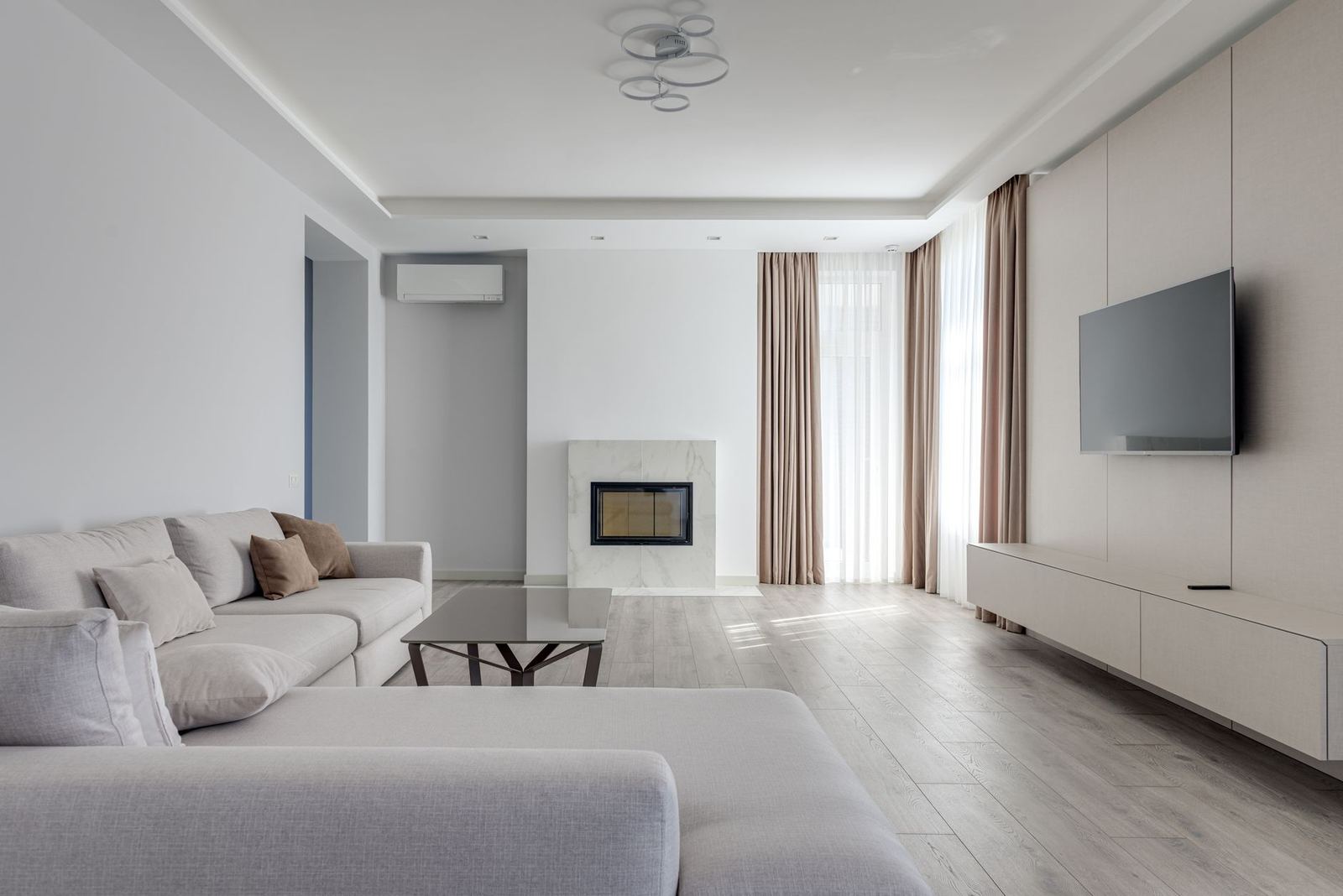
Picture a room with floor-to-ceiling windows on one side and recessed lights on the other. In Matterport’s workflow guide, a 1-inch sensor handles that contrast better than a 1/2-inch sensor, which makes sensor size the first spec worth comparing.
Two examples show the range. The Ricoh Theta Z1 uses dual 1-inch sensors, while the Insta360 X5 has 1/1.28-inch sensors that Matterport says are 144% larger than the X4’s.
LiDAR takes a different route to the same problem. Matterport says the Pro3’s LiDAR eliminates depth issues with sunlight entering through windows and skylights, and that it captures 1.5 million points per scan up to a range of 20 meters.
Stitching in tight rooms and capture speed
Dual-lens 360 cameras combine two images into one sphere. In a narrow hallway or small bathroom, that can produce visible artifacts, wavy door frames or ghosted objects, so stitching quality deserves a hands-on test.
Before you commit, shoot a small bathroom and a narrow hallway, then zoom in on the result. Look for:
- Door frames that wave or bend near the seam.
- Objects that look doubled or ghosted.
- Visible artifacts on walls close to the lenses.
Speed matters because most agents work alone, and a camera that boots instantly and captures quickly saves time across several listings. The same guide quotes the Pro3 at less than 20 seconds per sweep and describes one person capturing a property with a tripod and an app. The mount deserves the same scrutiny as the camera, and a panoramic tripod head is one option to compare.
Workflow, publishing and durability
A standalone camera only captures images. According to Matterport’s guide, you still need to upload, stitch and publish those images separately, unless a platform handles that for you.
The workflow differs by brand. A comparison from the tour-platform company Panoee notes that Insta360 users need an extra stitching step via Insta360 Studio before uploading to tour platforms, so weigh it as another vendor’s view.
Time is a cost as well. A cheap camera that adds 30 minutes of manual work to every listing can end up costing more than it saves.
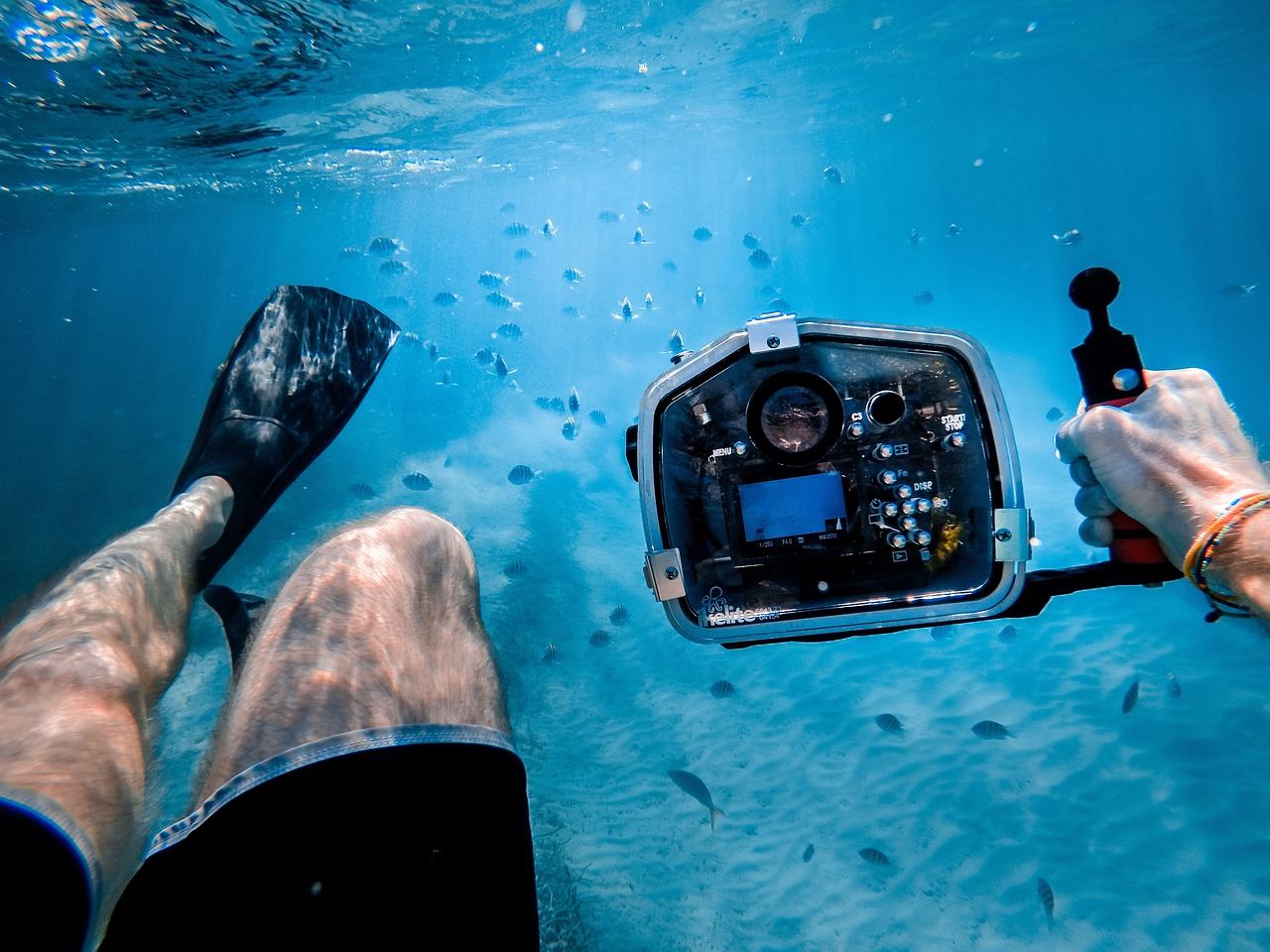
Interior work rarely needs full waterproofing, but exterior shots in changeable weather might. Matterport’s workflow guide says an IP68 rating means the camera survives a fall from tripod height onto concrete and an unexpected rainstorm. The guide to a waterproof 360 camera covers what that rating involves.
Three example cameras at different price points
Matterport’s guides state that their prices reflect values at the time of writing (May 2026). The three models below illustrate trade-offs and are not a ranking.
- Matterport Pro3: starts at $3,995, adds LiDAR depth data, and requires an active Matterport subscription plan.
- Ricoh Theta Z1: starts at $1,000, with dual 1-inch sensors and the option to subscribe to a tour platform.
- Insta360 X5: about $549, with the larger 1/1.28-inch sensors described above.
Does a virtual tour justify the cost?
A University of Iowa study of over 19,000 real estate transactions in Orange County, California, found that virtual tours increase closing prices by 2-3% and help homes sell faster. That finding concerns virtual tours in general, not any single camera.
Cost still needs a sanity check. Matterport’s buyer’s guide says a higher-end camera can be a smart investment when you have high property volume, high listing value and significant time dedicated to selling each property.
Another Matterport post makes the opposite point: if clients and buyers cannot tell a mid-range camera from an expensive flagship, the higher investment will not deliver meaningful returns.
Frequently asked questions
Do I need LiDAR for a 360 camera for real estate?
Show answer
Not always. Matterport’s guide lists no LiDAR depth data, and so less spatial accuracy than dedicated 3D cameras, as a drawback of the Theta Z1. Depth capture is what you pay extra for if measurements matter to your listings.
How should I test a camera before buying?
Show answer
Borrow the scenes reviewers use. Matterport evaluates cameras inside real properties with bright windows, dim hallways and tight bathrooms, and you can shoot the same three situations with any camera you are considering.
Is more resolution always better?
Show answer
No. A Matterport post argues that the right camera isn’t always the one with the highest resolution or newest features. It depends on how the finished tour will be used and viewed.
Will I need a subscription?
Show answer
It depends on the platform. The Pro3 is tied to a paid Matterport plan, while the Theta Z1 leaves the choice open, with the option to subscribe to RICOH360 Tours or another tour platform.