
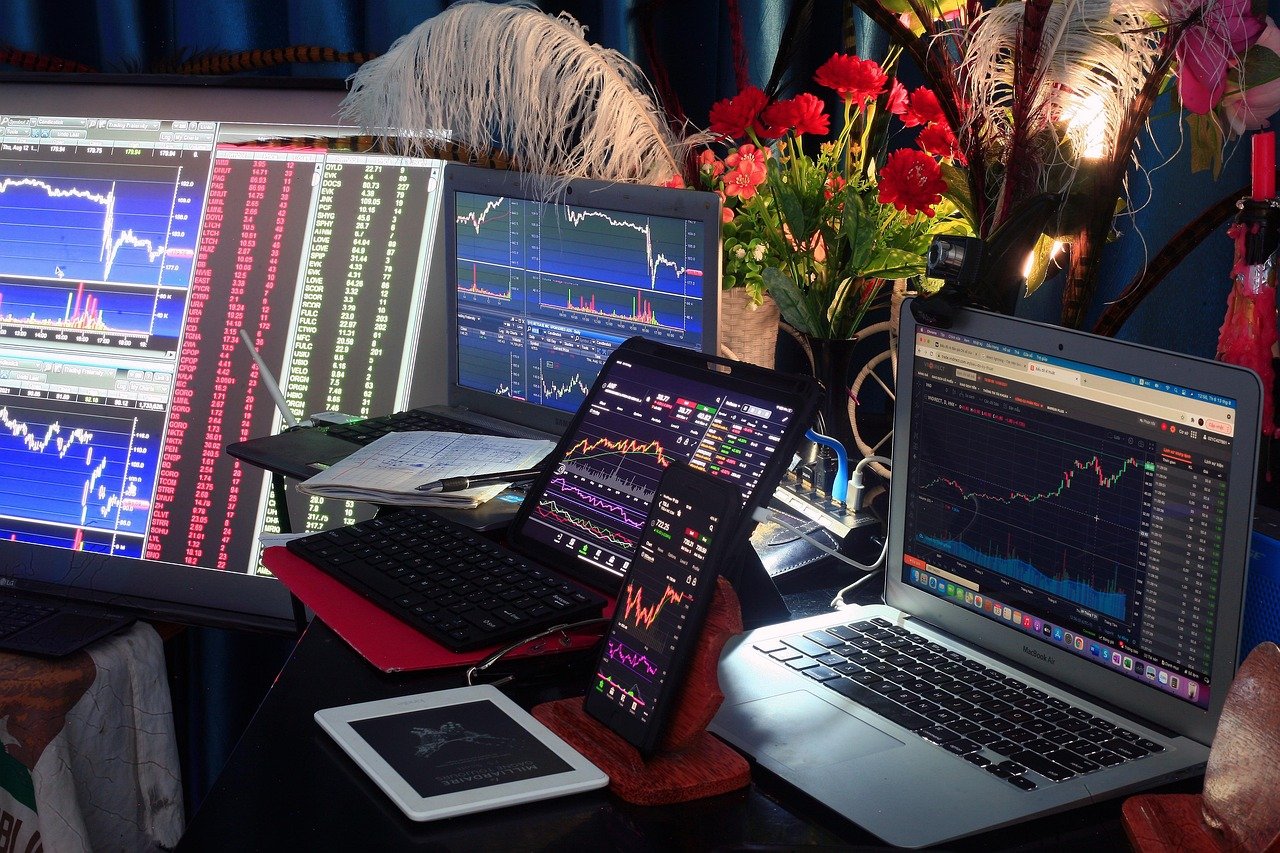
People who type fintechasia.net trading days usually want a market calendar, but fintechasia.net is a business and finance news site, and the pages read show no calendar of trading days. A trading day normally means a weekday on which an exchange is open.
| Does fintechasia.net list trading days? | No calendar or market-hours page appeared in the pages read |
| What kind of site is it? | A news site with Business News, Crypto Facto and Finance sections |
| What is a trading day in general? | A day an exchange is open, usually Monday to Friday except holidays |
| Are trading days the same as business days? | Often not; exchange holidays and local rules differ |
| Do crypto markets have trading days? | Most run around the clock, every day of the week |
| Best source for exact dates | The exchange’s own published holiday schedule |
What does a search for fintechasia.net trading days really ask?
The phrase mixes a website address with a market term, so it can mean at least three things. A reader may want to know whether the site publishes a schedule of exchange opening days. Another may be asking what the term means and expect a site named “fintech” to explain it. A third may have seen a headline on the site that mentioned trading and wants to return to it. Each of these calls for a different answer, which is why this page takes them one at a time.
The short version: the site is a publication, not a data service. It does not carry a live schedule, and anything about exact market dates should come from the exchange itself.
Is there a trading calendar on the Fintechasia site?
Nothing in the text read points to one. The menu lists Home, Business News, Crypto Facto, Finance, About Us and Contact Us. The home page is a stream of news cards under the Business News label, each with a date, and the visible page also carries the usual “View All Result” search control of a news theme. No tab for markets, exchanges, tickers or holiday lists appeared.

That does not rule out a market piece existing somewhere in the archive. Only the home, About and Contact pages were read, so an individual article could discuss exchange hours without that showing up here. If you want one, the site search is the way to find out.
What does Fintechasia publish in its news feed?
The stories captured on the front page are business-operations features more than market commentary. They include a piece on what good ecommerce fulfilment looks like behind the scenes (15 August 2026), a feature on ransomware in the Gulf and recovery planning (15 August 2026), a story on how businesses build trust on their platforms (20 June 2026), an article on physical security for business and finance leaders (21 May 2026), and one on how GPS tracking lowers fleet insurance costs (19 May 2026).
Earlier cards in the list cover company formation services (29 April 2026), migrating to Microsoft Azure (23 April 2026), data validity for international eSIMs (18 April 2026), and, judging by an image caption on the page, Thailand’s property market as an investment in Southeast Asia. The site’s description, as published, promises tech trends, business news and crypto facts.
The newest card shown is dated 15 August 2026, although the page itself displayed the date as 23 November 2026 at the time it was read. That is roughly three months with no newer item in the front-page list, though the site does not say whether it has slowed down or just placed newer items elsewhere.
How are trading days counted on real exchanges?
Because the site does not answer this itself, here is the general idea. A trading day is a day on which a given exchange holds its regular session. Most stock exchanges operate Monday to Friday and close on weekends and on local public holidays, but the list of holidays differs from one country to another.
- Business days follow banking and government calendars, which can differ from an exchange’s own closures.
- Half days sometimes shorten the session before certain holidays.
- Settlement days are counted separately, and the standard number of days between a trade and its settlement has changed over time in some markets.
- Cryptocurrency platforms usually run every hour of every day, so weekend trading is normal there, though individual platforms can pause for maintenance.
For an investor in Asia, the practical result is that a regional holiday can close one market while another stays open. A date that works for a New York trade may not work in Singapore or Tokyo.
Where can you check market dates instead of relying on Fintechasia?
Go to the exchange that lists the instrument you care about and find its holiday or calendar page. Most exchanges post the full year ahead. A brokerage platform will usually show the same dates inside its trading screen. For an ongoing reminder, many people add the published schedule to their own calendar rather than depend on a news article that may not have been updated.
Treat any list of trading days in an article as a pointer, and check the date of publication. Holiday schedules shift from year to year, and a post from last year may not match the one in force now. Nothing here is investment advice.
What does fintechasia.net not say about itself?
The pages read name no owner, company, editor or address. The About Us and Contact Us pages returned mostly styling code in the text captured, so any email or form that the contact page offers could not be read. The site also gives no statement on how its stories are sourced, whether they are sponsored, or how readers can ask for a correction. Given that its articles cover fields such as insurance, security and company formation, those details would be useful to see.
Questions about Fintechasia and trading days
Does Fintechasia publish stock market opening hours?
None appeared in the pages read. For opening hours, use the exchange’s own website.
Is fintechasia.net a trading platform?
The text shows a news site with articles and a menu, not an account area or order screen. Nothing there suggests that you can place a trade.
What is the difference between a trading day and a calendar day?
A calendar day is any day of the week. A trading day is one on which a particular market is open, which excludes weekends and holidays for most stock exchanges.
Why does the site mention crypto if crypto markets never close?
The menu section is called Crypto Facto, and the site’s own description mentions crypto facts. The reason for the spelling is not stated, and the pages read do not give a trading schedule for any crypto market.